Table of Contents
Are you constantly struggling to regulate your body temperature or feeling cold all the time with fibromyalgia? You are not alone. While fibromyalgia is widely known for causing persistent pain, fatigue, and brain fog, many people also experience temperature sensitivity. If you often feel cold while others around you seem comfortable, it could be linked to fibromyalgia and its impact on your autonomic nervous system.
ANF Therapy®️ is the newest and most effective treatment for fibromyalgia. It utilises small ANF Devices applied to the affected areas of your body. These Devices not only address the symptoms but also aim to treat the root cause of the disease.
In this blog, we will discuss how fibromyalgia affects your temperature sensitivity and how ANF Therapy®️ helps to manage these symptoms.
Why Does Fibromyalgia Make You Feel Cold?
Fibromyalgia is a chronic condition that affects your muscles, nervous system and blood circulation. The following are the reasons why you feel cold with fibromyalgia and have temperature sensitivity.
1. Dysfunction in the Autonomic Nervous System (ANS):
The autonomic nervous system controls the involuntary actions in your body, including temperature regulation. People with fibromyalgia experience dysautonomia (dysfunction of the autonomic) that causes altered temperature regulation.
When your autonomic nervous system (ANS) is not working properly, it affects your temperature sensitivity, which makes you feel colder than others.
2. Poor Blood Circulation:
People with fibromyalgia experience poor blood circulation, particularly in the peripheral areas (such as hands and feet). This occurs due to:
Vasoconstriction:
Your nervous system is responsible for vasodilation and vasoconstriction. Fibromyalgia causes narrowing of your blood vessels, resulting in reduced blood flow in the extremities and making them feel cold.
Dysfunctional capillary networks:
People with fibromyalgia may also have abnormalities in the small capillary network that is responsible for blood flow, resulting in cold hands and feet in the affected areas.
Raynaud’s Phenomenon:
It is a condition in which the fingers and toes become white or blue in response to cold. This is most commonly seen in individuals with fibromyalgia.

3. Increased Nerve Sensitivity:
Fibromyalgia makes your nervous system more sensitive than before. In fibromyalgia, your nerves process pain signals and sensory signals differently. Even a minor drop in temperature can make you feel much colder than before.
Therefore, a slight change in temperature puts your nervous system on high alert, resulting in too much heat or cold.
4. Muscle Stiffness and Tension:
Tense muscles are the most common symptom of fibromyalgia. They can also contribute to increased sensitivity to cold. Tense muscles restrict blood flow, making the affected parts of the body feel colder. This usually occurs in the areas where fibromyalgia symptoms are more intense, such as the neck, shoulders, and legs.
5. Hormonal Imbalances
Fibromyalgia also affects hormone levels by affecting the hypothalamus. The hypothalamus is the main checkpoint that controls temperature, and any imbalance can lead to severe cold or heat.
How to manage fibromyalgia with ANF Therapy®️?
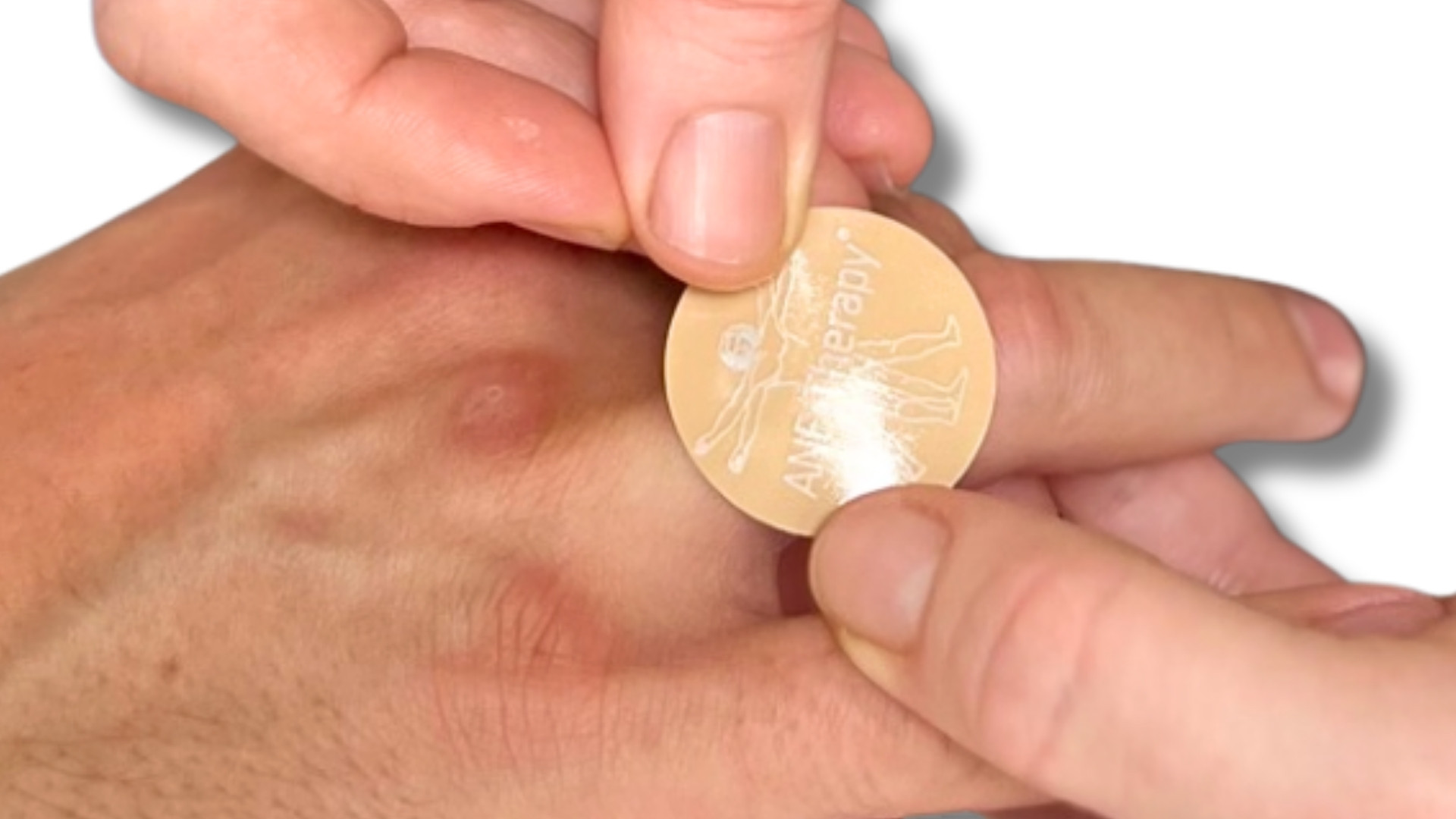
ANF Therapy®️ is an advanced treatment. It is the only holistic treatment that has fast and long-term results. If you are looking for a drug-free approach to treating your fibromyalgia and its associated symptoms, you are in the right place. Dr. Mikel H-G Hoff has invented ANF Devices that are applied to the affected areas of your body. These devices not only treat your symptoms but also aim to treat the root cause of the disease.
Different types of devices are used to treat fibromyalgia, including anti-inflammatory, antioxidant, blood flow, mental calm, and nitric oxide devices. These devices are applied to the affected areas and aim to reduce inflammation, stress, and blood flow to the affected areas. They may also help regulate body temperature by vasodilation and increasing blood flow to the affected areas, which is the leading cause of cold symptoms.
Outcome:
According to Dr. Mikel H-G Hoff, most patients experience quick relief in their symptoms soon after applying ANF Devices. However, the outcomes vary from person to person, depending on the severity of the disease.
For better outcomes, drink two glasses of water every five hours and avoid eating sugar. Dehydration and sugar will slow down recovery.
Start your journey with ANF Therapy®️:
ANF Therapy®️ is the newest treatment for managing fibromyalgia and associated symptoms. If you are suffering from fibromyalgia and feeling colder than usual and looking for a holistic approach to treat your symptoms, consult an ANF Practitioner or find an ANF Therapist at www.anftherapy.com/find-clinic to start your treatment with ANF Therapy®️ today!
If you’re a healthcare practitioner and want to enhance your clinical skills with frequency medicine, learn more about the ANF Therapy®️ and ANF Clinical education program by visiting www.anfacademy.com.
How to prevent fibromyalgia-associated symptoms?
If you struggle with feeling cold due to fibromyalgia, there are several ways to improve comfort and support body temperature regulation. These include the following:
1. Dress in Layers:
Wearing clothing in layers can also improve your symptoms. Use thermal fabric to retain your body heat and avoid overheating. Heat can improve your blood circulation and prevent you from feeling cold.

2. Keep your Hands and Feet Warm:
Poor blood circulation can make your extremities cold. Warm socks, gloves, or heated insoles can also help you feel warm.
3. Stay Physically Active:
Any physical activity can boost blood circulation and keep the body warmer. Activities like walking, jogging, stretching, or light yoga can help improve blood circulation and decrease muscle stiffness and sensitivity to cold.
4. Take Warm Baths or Showers
A warm bath or shower can help relax muscles and improve circulation.
5. Use Heating Pads or Electric Blankets:
Applying heat directly to cold-prone areas can offer immediate relief. Heating pads, electric blankets, or microwavable heat packs can be useful tools for warming up when needed.

6. Stay Hydrated and Eat Warming Foods:
Hydration also supports your blood circulation and overall health. Additionally, warm foods and beverages like soup and herbal tea can keep your body warm.
7. Manage Stress and Anxiety:
Your autonomic nervous system is very sensitive to stress and anxiety. Therefore, practising relaxation techniques such as deep breathing and meditation can reduce nerve hyperactivity and improve temperature regulation.
About ANF Therapy®️
ANF Therapy®️ uses circular ANF Devices, which are applied directly on the skin after palpation and assessment by a trained ANF Therapist following the ANF Therapy®️ Method, Patented Model no. U202030252, ES1259974.
The ANF Therapy®️ purpose is the alleviation of injury and pain within minutes.
Our aim is that the patient experiences a reduction of pain and swelling, an increase in range of motion, and an improvement in quality of life related to health. Non-transdermal, non-invasive device, NO needles or chemicals are used.
Do you need help with your health issues? Have you been experiencing symptoms of fibromyalgia?
Contact us, and we will explain how we can help you!