Chiropractor’s Journey: From Skeptic to Advocate of ANF Therapy®️

Andrew Ching How ANF Changed My Clinical Practice

Q: As a chiropractor, what difference did ANF Therapy®️ make in your clinical outcomes?

A: Chiropractic is hands-on manual therapy. We focus on musculoskeletal issues like spine alignment, posture, neck, back, and shoulder pain. We’re taught the body heals when it’s free of nerve interference, and that approach worked for many patients. But there was a subset that didn’t improve, and that always bothered me. I wanted to understand why.

That curiosity led me to explore nervous system function more deeply, which is how I came across ANF Therapy®️.

Q: You were skeptical at first. What changed?

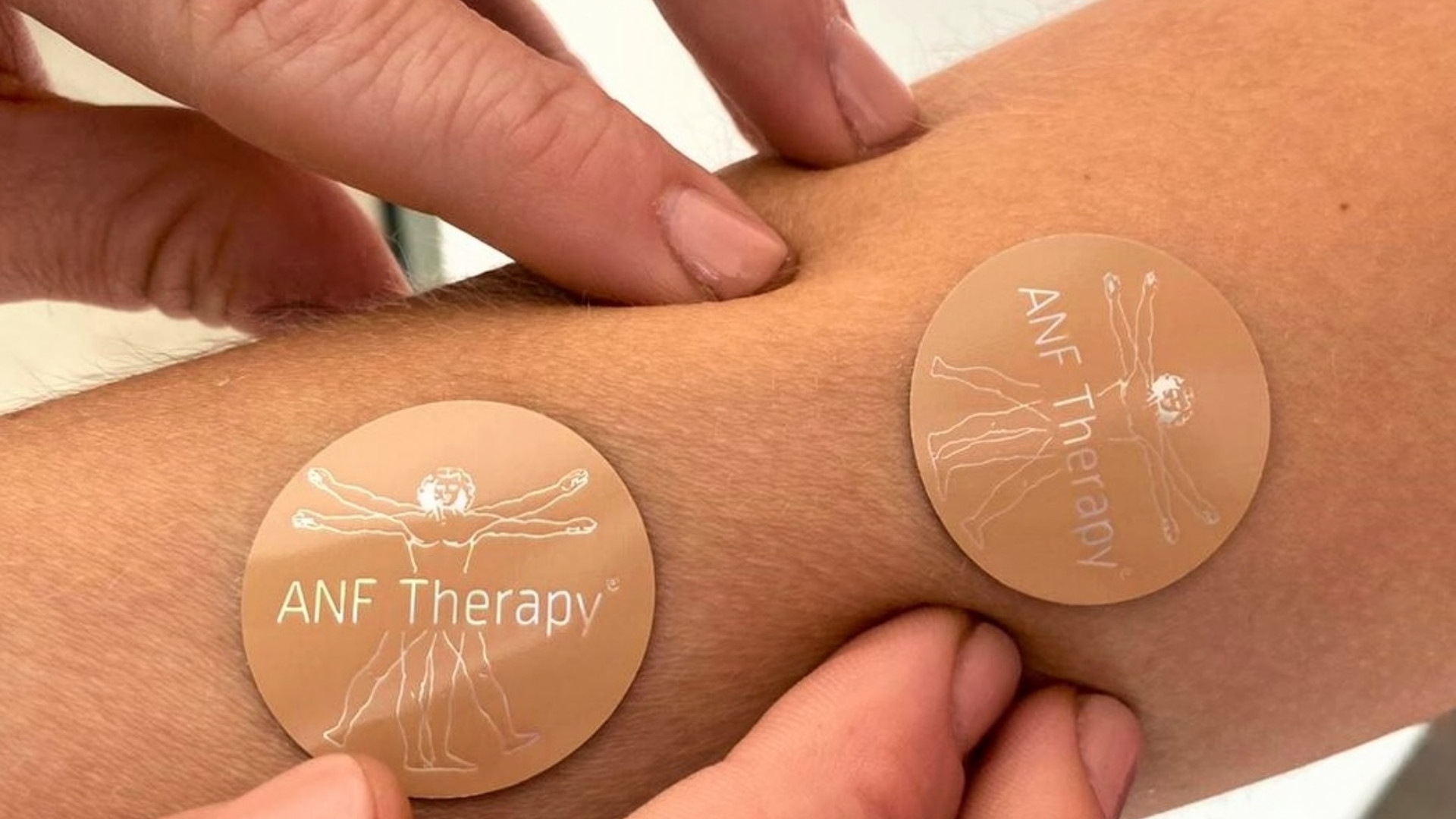
A: I was skeptical. I thought, how could something that looks like a sticker actually help the body? But when I visited Spain and received treatment for lymphatic issues from Dr. Mikel and Irina, I felt a real shift. I lost two kilos of water retention in a week and had significantly more energy. That experience convinced me to apply ANF Therapy®️ in my clinic. The results were immediate. It allowed me to go beyond structural corrections and support healing on a deeper level.

Q: Why do you think pain often returns in patients?

A: Because most treatment approaches focus on one aspect. I used to adjust joints and improve posture, which helped temporarily, but it didn’t hold. Eventually I started asking, why is this muscle weak to begin with? What supplies it? Nerves, blood, oxygen, nutrients. If those are out of balance, you’re dealing with systemic issues.

Dr. Mikel explained that the nervous system manages body resources. If it’s depleted, healing becomes limited. That concept made a lot of sense to me.

8
“From Skeptic to Advocate: How ANF Changed My Clinical Practice”

Q: So ANF Therapy®️ helps restore those resources?

A: Exactly. These devices stimulate the nervous system with frequencies that support resource delivery. Some patients respond immediately, but in chronic cases, where the body has been resource-deficient for years, it takes longer to see sustainable change.

Q: What do you see as the root cause of systemic inflammation?

A: It’s usually a combination of lifestyle habits and unresolved emotional stress, even from childhood. Over time, the body normalizes stress, but it creates internal inflammation that gradually affects energy, function, and overall system performance.

chronic stress

Q: What happens neurologically during prolonged emotional stress?

A: Chronic stress keeps the body stuck in fight-or-flight mode. That causes constant cortisol release, which breaks the body down. When you’re constantly switched on and never return to a relaxed state, the damage accumulates. Over time, muscles break down and systemic inflammation builds quietly.

Q: Before ANF, did you address the lymphatic system at all?

A: Not really. The lymphatic system was barely covered in chiropractic school. We focused on subluxation and spine alignment. But after experiencing ANF, I started looking at lymph flow, sinus drainage, and immune response. Especially post-COVID, I saw many patients with brain fog, poor sleep, and systemic symptoms linked to poor lymphatic function.

Q: Did your clinical examinations change as a result?

A: Completely. I moved from a purely structural focus to a more holistic assessment, integrating what I learned through ANF. My consultations became more comprehensive. Initially, they took a long time, but the quality of evaluation improved drastically.

How ANF Changed My Clinical Practice

Q: How did patients respond to ANF?

A: Most felt better right away. It wasn’t like a typical chiropractic adjustment. It went deeper. During lockdown in Singapore, we supported patients remotely through Zoom. Once the clinic reopened, we focused heavily on the lymphatic system, which helped a lot of people dealing with post-COVID issues like fatigue and poor mental clarity.

Q: Besides the lymphatic system, what other systems do you focus on?

A: All of them. Digestive, cardiovascular, circulatory—they’re all interconnected. Improving lymphatic flow improves blood circulation, which supports the nervous system.

One important lesson I learned from Dr. Mikel is that your age is proportional to your nerve speed. If your nerve function stays optimal, you age better. If it slows down, everything declines, but people often don’t realize it.

Q: How can someone recognize systemic inflammation early?

A: Most wait for symptoms, but you can look at function instead—sleep quality, gut health, skin issues, sinus congestion, and most importantly, energy levels. If you sleep 10 hours and still feel exhausted, something is off. It could be poor lymphatic function or nutrient absorption.
From Skeptic to Advocate

Q: Would you recommend ANF Therapy®️ to other chiropractors?

A: Definitely. It adds to your clinical skillset and helps you see the body more comprehensively. You can’t be stuck thinking what you learned in school is everything. You have to keep growing. ANF gave me a stronger foundation to build on.

Q: Has your patient focus shifted over time?

A: In the beginning, it was all pain-focused. If I couldn’t resolve their pain, I felt I failed. Now I still treat pain, but I focus more on inflammation and system function. Pain is often the first thing to disappear, but the last thing to show up. It’s a poor indicator of health. I help patients see the bigger picture.

Q: Do patients need to change their mindset too?

A: Absolutely. There is no magic fix. If your body has been breaking down for years, it takes time to rebuild. You need hydration, quality sleep, better habits. ANF supports the process, but the patient has to take responsibility.

Q: Can systemic inflammation really go away?

A: It can definitely improve. Nothing cures everything, but ANF helps the body regain its own capacity to heal. The extent of improvement depends on how depleted the patient is. The more consistent they are with lifestyle changes, the better their outcomes.

From Skeptic to Advocate How ANF Changed My Clinical Practice

Q: What role does nutrition play in inflammation?

A: Food is important, but if your body is inflamed, absorption suffers. You can eat well and still lack nutrients if your liver isn’t functioning optimally. The liver has hundreds of roles, and if it’s compromised, your systems compensate, creating more problems.

So yes, food is vital, but only after you reduce inflammation can your body truly benefit from what you eat.

Q: Does systemic inflammation increase injury risk?

A: Definitely. When you exercise, you create micro-tears. That’s normal. But your body needs resources to repair them. Inflammation delays recovery and leads to poor tissue regeneration. It reduces strength, muscle growth, and overall performance. Long term, it weakens your system.

Q: What are your top 5 tips for reducing inflammation today?

A:

  1. Drink more water.

  2. Move more, improve blood circulation.

  3. Get quality sleep.

  4. Avoid processed food and sugar.

  5. Stay positive, your emotional frequency impacts your physical health.

Inspired by what you just read? Share this with your friends and keep the inspiration flowing!

Related Posts

Chiropractor’s Journey: From Skeptic to Advocate of ANF Therapy®️

Andrew Ching How ANF Changed My Clinical Practice

Q: As a chiropractor, what difference did ANF Therapy®️ make in your clinical outcomes?

A: Chiropractic is hands-on manual therapy. We focus on musculoskeletal issues like spine alignment, posture, neck, back, and shoulder pain. We’re taught the body heals when it’s free of nerve interference, and that approach worked for many patients. But there was a subset that didn’t improve, and that always bothered me. I wanted to understand why.

That curiosity led me to explore nervous system function more deeply, which is how I came across ANF Therapy®️.

Q: You were skeptical at first. What changed?

A: I was skeptical. I thought, how could something that looks like a sticker actually help the body? But when I visited Spain and received treatment for lymphatic issues from Dr. Mikel and Irina, I felt a real shift. I lost two kilos of water retention in a week and had significantly more energy. That experience convinced me to apply ANF Therapy®️ in my clinic. The results were immediate. It allowed me to go beyond structural corrections and support healing on a deeper level.

Q: Why do you think pain often returns in patients?

A: Because most treatment approaches focus on one aspect. I used to adjust joints and improve posture, which helped temporarily, but it didn’t hold. Eventually I started asking, why is this muscle weak to begin with? What supplies it? Nerves, blood, oxygen, nutrients. If those are out of balance, you’re dealing with systemic issues.

Dr. Mikel explained that the nervous system manages body resources. If it’s depleted, healing becomes limited. That concept made a lot of sense to me.

8
“From Skeptic to Advocate: How ANF Changed My Clinical Practice”

Q: So ANF Therapy®️ helps restore those resources?

A: Exactly. These devices stimulate the nervous system with frequencies that support resource delivery. Some patients respond immediately, but in chronic cases, where the body has been resource-deficient for years, it takes longer to see sustainable change.

Q: What do you see as the root cause of systemic inflammation?

A: It’s usually a combination of lifestyle habits and unresolved emotional stress, even from childhood. Over time, the body normalizes stress, but it creates internal inflammation that gradually affects energy, function, and overall system performance.

chronic stress

Q: What happens neurologically during prolonged emotional stress?

A: Chronic stress keeps the body stuck in fight-or-flight mode. That causes constant cortisol release, which breaks the body down. When you’re constantly switched on and never return to a relaxed state, the damage accumulates. Over time, muscles break down and systemic inflammation builds quietly.

Q: Before ANF, did you address the lymphatic system at all?

A: Not really. The lymphatic system was barely covered in chiropractic school. We focused on subluxation and spine alignment. But after experiencing ANF, I started looking at lymph flow, sinus drainage, and immune response. Especially post-COVID, I saw many patients with brain fog, poor sleep, and systemic symptoms linked to poor lymphatic function.

Q: Did your clinical examinations change as a result?

A: Completely. I moved from a purely structural focus to a more holistic assessment, integrating what I learned through ANF. My consultations became more comprehensive. Initially, they took a long time, but the quality of evaluation improved drastically.

How ANF Changed My Clinical Practice

Q: How did patients respond to ANF?

A: Most felt better right away. It wasn’t like a typical chiropractic adjustment. It went deeper. During lockdown in Singapore, we supported patients remotely through Zoom. Once the clinic reopened, we focused heavily on the lymphatic system, which helped a lot of people dealing with post-COVID issues like fatigue and poor mental clarity.

Q: Besides the lymphatic system, what other systems do you focus on?

A: All of them. Digestive, cardiovascular, circulatory—they’re all interconnected. Improving lymphatic flow improves blood circulation, which supports the nervous system.

One important lesson I learned from Dr. Mikel is that your age is proportional to your nerve speed. If your nerve function stays optimal, you age better. If it slows down, everything declines, but people often don’t realize it.

Q: How can someone recognize systemic inflammation early?

A: Most wait for symptoms, but you can look at function instead—sleep quality, gut health, skin issues, sinus congestion, and most importantly, energy levels. If you sleep 10 hours and still feel exhausted, something is off. It could be poor lymphatic function or nutrient absorption.

From Skeptic to Advocate

Q: Would you recommend ANF Therapy®️ to other chiropractors?

A: Definitely. It adds to your clinical skillset and helps you see the body more comprehensively. You can’t be stuck thinking what you learned in school is everything. You have to keep growing. ANF gave me a stronger foundation to build on.

Q: Has your patient focus shifted over time?

A: In the beginning, it was all pain-focused. If I couldn’t resolve their pain, I felt I failed. Now I still treat pain, but I focus more on inflammation and system function. Pain is often the first thing to disappear, but the last thing to show up. It’s a poor indicator of health. I help patients see the bigger picture.

Q: Do patients need to change their mindset too?

A: Absolutely. There is no magic fix. If your body has been breaking down for years, it takes time to rebuild. You need hydration, quality sleep, better habits. ANF supports the process, but the patient has to take responsibility.

Q: Can systemic inflammation really go away?

A: It can definitely improve. Nothing cures everything, but ANF helps the body regain its own capacity to heal. The extent of improvement depends on how depleted the patient is. The more consistent they are with lifestyle changes, the better their outcomes.

From Skeptic to Advocate How ANF Changed My Clinical Practice

Q: What role does nutrition play in inflammation?

A: Food is important, but if your body is inflamed, absorption suffers. You can eat well and still lack nutrients if your liver isn’t functioning optimally. The liver has hundreds of roles, and if it’s compromised, your systems compensate, creating more problems.

So yes, food is vital, but only after you reduce inflammation can your body truly benefit from what you eat.

Q: Does systemic inflammation increase injury risk?

A: Definitely. When you exercise, you create micro-tears. That’s normal. But your body needs resources to repair them. Inflammation delays recovery and leads to poor tissue regeneration. It reduces strength, muscle growth, and overall performance. Long term, it weakens your system.

Q: What are your top 5 tips for reducing inflammation today?

A:

  1. Drink more water.

  2. Move more, improve blood circulation.

  3. Get quality sleep.

  4. Avoid processed food and sugar.

  5. Stay positive, your emotional frequency impacts your physical health.

Inspired by what you just read? Share this with your friends and keep the inspiration flowing!