Can ACL injury heal without surgery?

Can ACL injury heal without surgery

Table of Contents

Every year in the United States, about 200,000 people tear their ACLs. That means hundreds of people every single day suddenly face knee pain during even normal walking. In order to resolve these symptoms, about 100,000 ACL reconstruction surgeries are performed every year.

Even though surgery has long been considered a mainstay treatment for treating ACL tears in physically active adults, it has its downsides. After all, surgery is a major medical risk. The procedure is followed by at least a year of extensive rehabilitation. This is why people often wonder if an ACL Injury can heal without surgery.

ANF Therapy® is a supportive treatment approach that may be used as part of a comprehensive rehabilitation program for patients with an ACL tear. The therapy involves the application of small ANF Devices to specific areas of the body. These devices work by supporting the body’s natural recovery processes. When integrated with physiotherapy and clinical guidance, ANF Therapy ® may assist in improving muscle engagement and supporting overall rehabilitation outcomes.

In this blog, you’ll learn about what an ACL tear is, its causes, types, whether it can be treated without surgery, and how ANF Therapy® helps.

If you’ve been dealing with fibromyalgia, you already know about the symptoms, the constant aches, unexplained fatigue, and those frustrating muscle spasms that seem to happen every time. They’re not just painful; they can interrupt your sleep, limit your movement, and make everyday life feel like an uphill battle.

There are ways to ease and even stop fibromyalgia muscle spasms. ANF Therapy® is an advanced frequency-based approach to aid the recovery of muscle injuries and chronic pain. In this blog, we will discuss the practical and natural strategies that can help you manage fibromyalgia muscle spasms.

How Do ACL Injuries Happen

How Do ACL Injuries Happen

ACL injuries usually occur when the knee experiences sudden stress. This happens more frequently during normal sports movements rather than a direct hit. These movements take a split second. That is why ACL injuries often occur suddenly and without warning, even during routine activity.

Moreover, most ACL tears happen without a collision, and are deemed “non-contact injuries” because of this reason. Some ways ACL injuries happen include:

  • Sudden changes in direction while running or cutting
  • Pivoting on a planted foot, causing the knee to twist
  • Landing awkwardly after a jump, especially with poor knee alignment.
  • Sudden stopping or slowing down at high speed
  • Loss of balance or improper body mechanics during movement
  • Once in a while, ACL injuries occur due to direct contact that tugs at your knee unnaturally, such as A blow to the knee, falls, or an accident.

Why Are ACL Tears Managed Surgically?

When the ACL is torn, it does not heal on its own, and this can leave the knee unstable. This is why ACL tears are often managed surgically. Without surgery, many people with knee instability are at higher risk of repeat injuries.

Moreover, an unstable knee joint can lead to additional injuries. The meniscus and cartilage are especially prone to further damage, which can lead to arthritis.
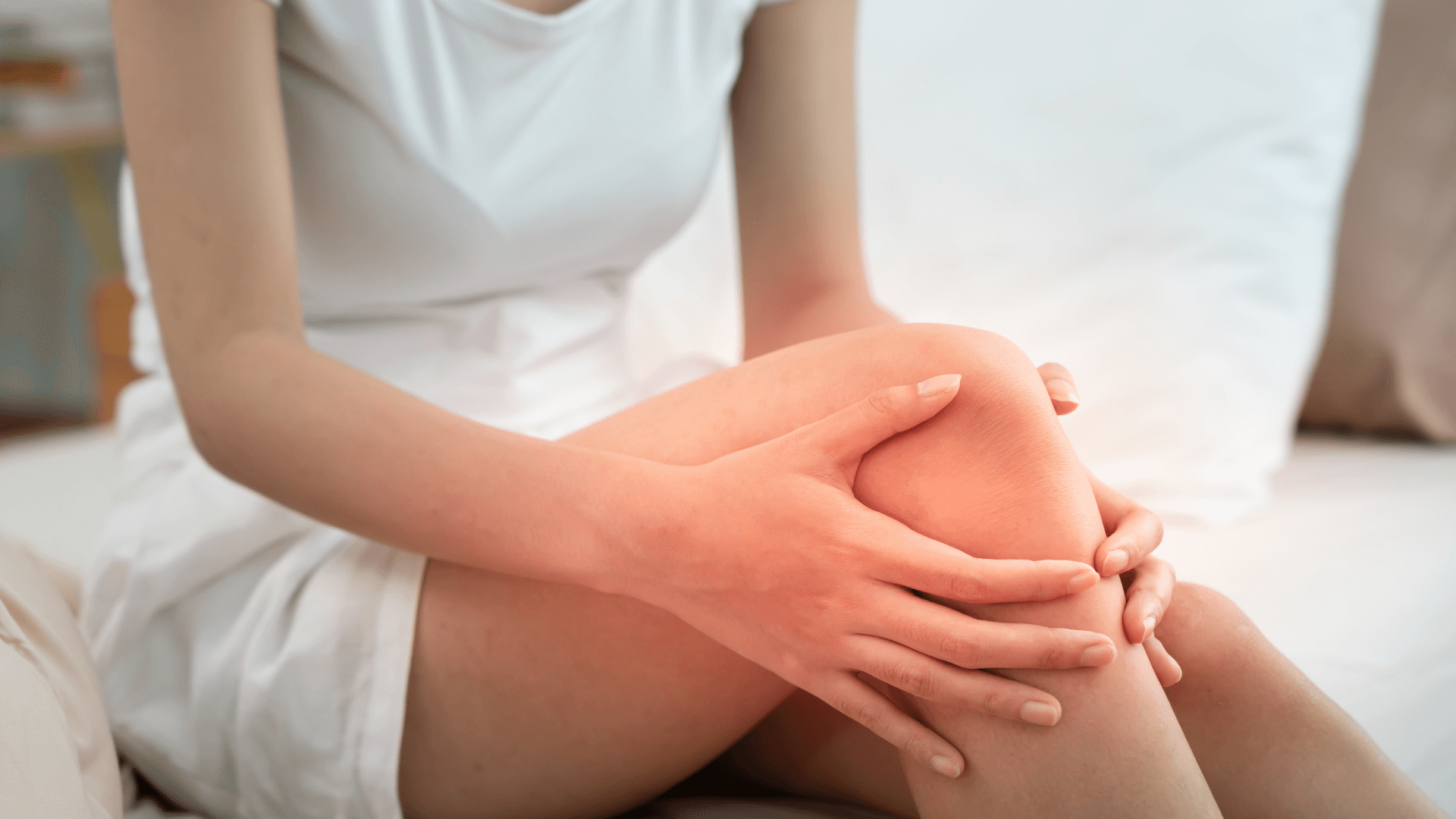
What Are The Downsides of Surgery For ACL Tears

What Are The Downsides of Surgery For ACL Tears?

ACL reconstruction can be very helpful for some people, but it is important to clearly understand its limitations. Surgery fixes the ACL ligament, but it does not automatically restore the knee to its pre-injury state. Moreover, the recovery process is often longer and harder than many patients expect.

1-Longer Recovery

ACL surgery is followed by a long and structured rehabilitation process that lasts 9 to 12 months. During this time, you must attend regular physical therapy. For many people, this means months away from sports, work duties, or regular daily routines.

2-Unpredictable Results

Surgery cannot guarantee that the knee will feel or perform the same as before the injury. Patients regain strength but still struggle with other movements. Even if you return to sport, your performance may not be the same.

3-Risk of Re-Injury After Surgery

About 15-25% of young athletes experience a second ACL injury. The highest risk period is within the first two years after surgery. So, even after surgery, returning to sports before your knee has healed increases this risk. This is especially true for young athletes who return to high-impact sports. 

4-Long-Term Joint Problems

Even with successful surgery, the knee has already experienced trauma. Long-term findings show that 22-25% of patients develop osteoarthritis.

5-Medical Risks

ACL reconstruction is generally safe, but like all surgeries, it carries risks:

  • Some people develop knee stiffness or pain
  • Full bending or straightening of the knee may be difficult
  • Pain at the graft site can occur
  • Rare complications like infection or blood clots may happen

6-Nonmedical Impact

ACL surgery is expensive and time-intensive. You have to pay for surgical costs, as well as rehab and time away from work or school. Moreover, many patients feel frustrated and anxious. These challenges can greatly affect recovery from a realistic standpoint.
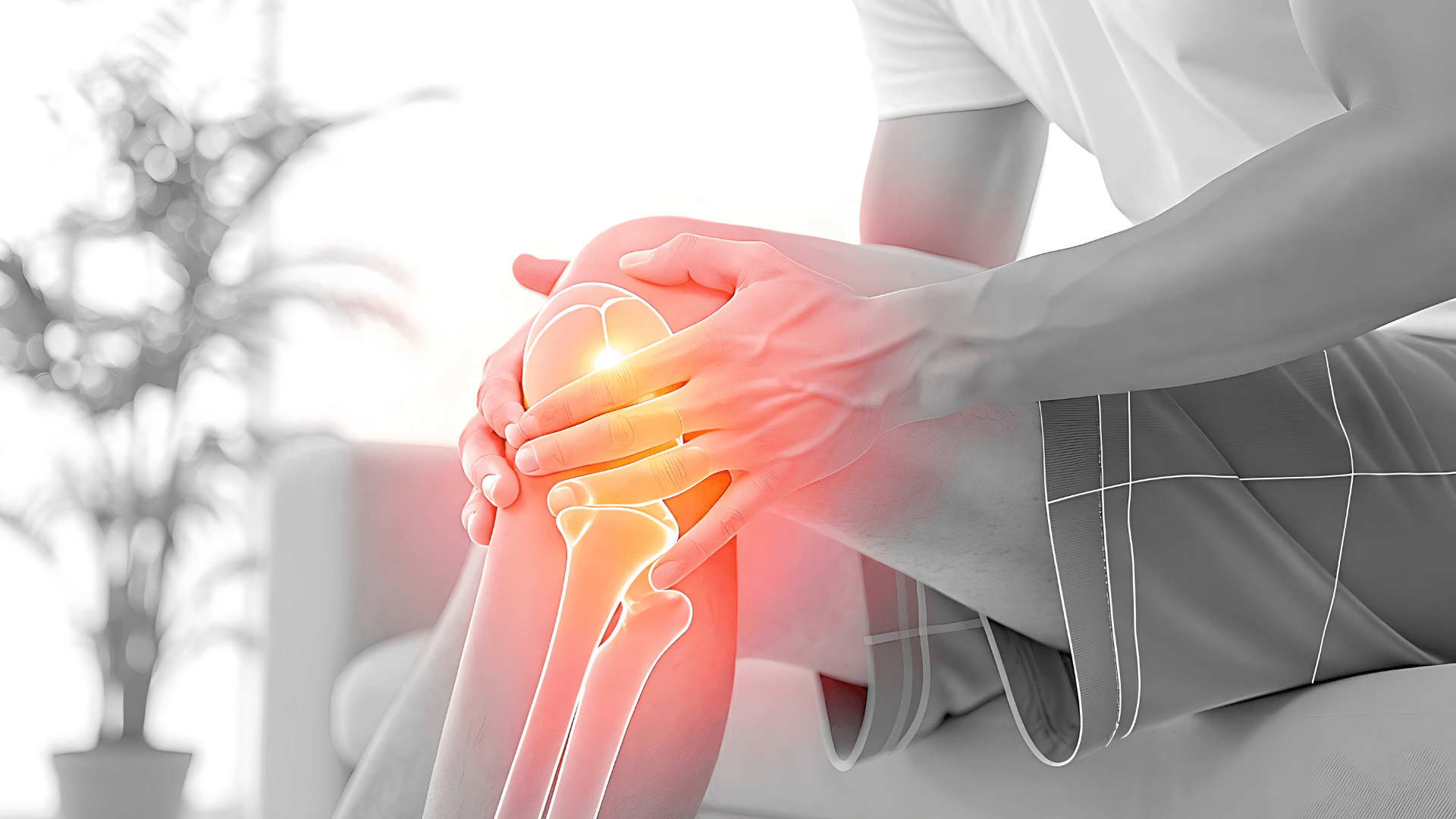
Why Do All ACL Tears Not Need Surgery

Why Do All ACL Tears Not Need Surgery?

The ACL cannot heal or regenerate on its own. However, not all ACL tears need surgery because many people can still function well without an intact ACL. Surgery is usually considered when the knee remains unstable or when a person wants to return to high-demand sports or physically intense work.

Who May Not Need Surgery After An ACL Tear?

With proper physical therapy and safe movement habits, many people can live healthy, active lives without their knees giving way. You may be one of these people if you have:

Knee Stability:

One of the most important factors is how your knee feels during everyday activities. If you have relative knee stability, your knee may be able to function safely without immediate surgery. Examples of relative knee stability include:

  • Walking on flat surfaces without pain or buckling
  • Climbing up and down stairs without your knee giving way
  • Standing up from a chair without feeling like the knee is unstable
  • A “controlled” feeling during daily movements, such as turning or light bending
  • You do not experience repeated episodes of the knee “giving way.”

Partial ACL Tears:

If you have a partial ACL tear, some ligament fibers are still intact. If there is a degree of knee stability, partially torn ACLs can continue to provide support. In these cases:

  • Remaining fibers help limit excessive knee movement
  • Strong muscles can better support the knee alongside the ligament
  • Physical therapy can restore safe movement and confidence

Muscle Support:

Even when the ACL is torn, the strong muscles in your lower limb help take over some of its function. This happens when key muscle groups around the knee are strong:

  • Quadriceps that help control knee straightening and absorb force
  • Hamstrings that help limit the forward movement of the shin
  • Hip muscles that improve overall leg alignment
  • Better muscle coordination during walking and exercise

Better Movement Habits:

ACL injuries often happen when the knee moves in an unsafe way. Physical rehabilitation can teach you how to move with proper form. Examples of improved balance and movement control include:

  • Changing direction without losing control
  • The knee stays aligned and steady
  • Knowing how to lightly exercise without sudden, twisting movements of the knee, and avoiding jerky, unstable movements

Lower Activity Demands:

If your daily life, job, or hobbies do not require quick direction changes, you may be able to manage an ACL tear without surgery. Examples include:

  • Daily movements place less stress on the ACL
  • You do not have sudden movements in your daily work
  • No involvement in cutting or pivoting sports
  • Your hobbies and activities are healthy and knee-friendly, such as swimming
  • A focus on gym-based strength training rather than high-impact sports

How to treat an ACL tear without any surgery?

Surgery is not always required to manage a torn ACL. ANF Therapy® is a non-invasive, drug-free approach that may be used as part of a comprehensive care plan for ACL injuries. This therapy uses small ANF Devices that are applied to specific areas of the body. When used alongside physiotherapy and a healthy lifestyle, ANF Therapy® may help support comfort, muscle strength, and neuromuscular balance by working with the body’s natural recovery processes.

Outcomes:

ANF Therapy® is a non-invasive drug approach that complements the management of various orthopedic-related issues. According to a study that involved 1054 patients with back pain, knee pain, neck pain, and shoulder pain from 45 different countries, people utilising ANF Therapy® experienced an average reduction of 60% in their pain. Moreover, patients also experienced a reduction in swelling and better movement. However, some patients may experience temporary side effects such as dry mouth, headache, and fatigue.

Start your journey with ANF Therapy®:

ANF Therapy® is the newest non-invasive, drug-free, and frequency-based approach. If you have an ACL tear, consult an ANF Practitioner or find an ANF Therapist at www.anftherapy.com/find-clinic/ to discuss how ANF Therapy® can help. If you’re a healthcare practitioner and want to enhance your clinical skills with frequency medicine, learn more about the ANF Therapy® and ANF Clinical education program by visiting www.anfacademy.com.

About ANF Therapy®️

ANF Therapy®️ uses circular ANF Devices, which are applied directly on the skin after palpation and assessment by a trained ANF Therapist following the ANF Therapy®️ Method, Patented Model no. U202030252, ES1259974.

The ANF Therapy®️ purpose is the alleviation of injury and pain within minutes.

Our aim is that the patient experiences a reduction of pain and swelling, an increase in range of motion, and an improvement in quality of life related to health. Non-transdermal, non-invasive device, NO needles or chemicals are used.

Do you need help with your health issues? Do you have an ACL injury?

Contact us, and we will explain how we can help you!
Inspired by what you just read? Share this with your friends and keep the inspiration flowing!

Related Posts

Can ACL injury heal without surgery?

Can ACL injury heal without surgery

Table of Contents

Every year in the United States, about 200,000 people tear their ACLs. That means hundreds of people every single day suddenly face knee pain during even normal walking. In order to resolve these symptoms, about 100,000 ACL reconstruction surgeries are performed every year.

Even though surgery has long been considered a mainstay treatment for treating ACL tears in physically active adults, it has its downsides. After all, surgery is a major medical risk. The procedure is followed by at least a year of extensive rehabilitation. This is why people often wonder if an ACL Injury can heal without surgery.

ANF Therapy® is a supportive treatment approach that may be used as part of a comprehensive rehabilitation program for patients with an ACL tear. The therapy involves the application of small ANF Devices to specific areas of the body. These devices work by supporting the body’s natural recovery processes. When integrated with physiotherapy and clinical guidance, ANF Therapy ® may assist in improving muscle engagement and supporting overall rehabilitation outcomes.

In this blog, you’ll learn about what an ACL tear is, its causes, types, whether it can be treated without surgery, and how ANF Therapy® helps.

If you’ve been dealing with fibromyalgia, you already know about the symptoms, the constant aches, unexplained fatigue, and those frustrating muscle spasms that seem to happen every time. They’re not just painful; they can interrupt your sleep, limit your movement, and make everyday life feel like an uphill battle.

There are ways to ease and even stop fibromyalgia muscle spasms. ANF Therapy® is an advanced frequency-based approach to aid the recovery of muscle injuries and chronic pain. In this blog, we will discuss the practical and natural strategies that can help you manage fibromyalgia muscle spasms.

How Do ACL Injuries Happen

How Do ACL Injuries Happen

ACL injuries usually occur when the knee experiences sudden stress. This happens more frequently during normal sports movements rather than a direct hit. These movements take a split second. That is why ACL injuries often occur suddenly and without warning, even during routine activity.

Moreover, most ACL tears happen without a collision, and are deemed “non-contact injuries” because of this reason. Some ways ACL injuries happen include:

  • Sudden changes in direction while running or cutting
  • Pivoting on a planted foot, causing the knee to twist
  • Landing awkwardly after a jump, especially with poor knee alignment.
  • Sudden stopping or slowing down at high speed
  • Loss of balance or improper body mechanics during movement
  • Once in a while, ACL injuries occur due to direct contact that tugs at your knee unnaturally, such as A blow to the knee, falls, or an accident.

Why Are ACL Tears Managed Surgically?

When the ACL is torn, it does not heal on its own, and this can leave the knee unstable. This is why ACL tears are often managed surgically. Without surgery, many people with knee instability are at higher risk of repeat injuries.

Moreover, an unstable knee joint can lead to additional injuries. The meniscus and cartilage are especially prone to further damage, which can lead to arthritis.

What Are The Downsides of Surgery For ACL Tears

What Are The Downsides of Surgery For ACL Tears?

ACL reconstruction can be very helpful for some people, but it is important to clearly understand its limitations. Surgery fixes the ACL ligament, but it does not automatically restore the knee to its pre-injury state. Moreover, the recovery process is often longer and harder than many patients expect.

1-Longer Recovery

ACL surgery is followed by a long and structured rehabilitation process that lasts 9 to 12 months. During this time, you must attend regular physical therapy. For many people, this means months away from sports, work duties, or regular daily routines.

2-Unpredictable Results

Surgery cannot guarantee that the knee will feel or perform the same as before the injury. Patients regain strength but still struggle with other movements. Even if you return to sport, your performance may not be the same.

3-Risk of Re-Injury After Surgery

About 15-25% of young athletes experience a second ACL injury. The highest risk period is within the first two years after surgery. So, even after surgery, returning to sports before your knee has healed increases this risk. This is especially true for young athletes who return to high-impact sports. 

4-Long-Term Joint Problems

Even with successful surgery, the knee has already experienced trauma. Long-term findings show that 22-25% of patients develop osteoarthritis.

5-Medical Risks

ACL reconstruction is generally safe, but like all surgeries, it carries risks:

  • Some people develop knee stiffness or pain
  • Full bending or straightening of the knee may be difficult
  • Pain at the graft site can occur
  • Rare complications like infection or blood clots may happen

6-Nonmedical Impact

ACL surgery is expensive and time-intensive. You have to pay for surgical costs, as well as rehab and time away from work or school. Moreover, many patients feel frustrated and anxious. These challenges can greatly affect recovery from a realistic standpoint.

Why Do All ACL Tears Not Need Surgery

Why Do All ACL Tears Not Need Surgery?

The ACL cannot heal or regenerate on its own. However, not all ACL tears need surgery because many people can still function well without an intact ACL. Surgery is usually considered when the knee remains unstable or when a person wants to return to high-demand sports or physically intense work.

Who May Not Need Surgery After An ACL Tear?

With proper physical therapy and safe movement habits, many people can live healthy, active lives without their knees giving way. You may be one of these people if you have:

Knee Stability:

One of the most important factors is how your knee feels during everyday activities. If you have relative knee stability, your knee may be able to function safely without immediate surgery. Examples of relative knee stability include:

  • Walking on flat surfaces without pain or buckling
  • Climbing up and down stairs without your knee giving way
  • Standing up from a chair without feeling like the knee is unstable
  • A “controlled” feeling during daily movements, such as turning or light bending
  • You do not experience repeated episodes of the knee “giving way.”

Partial ACL Tears:

If you have a partial ACL tear, some ligament fibers are still intact. If there is a degree of knee stability, partially torn ACLs can continue to provide support. In these cases:

  • Remaining fibers help limit excessive knee movement
  • Strong muscles can better support the knee alongside the ligament
  • Physical therapy can restore safe movement and confidence

Muscle Support:

Even when the ACL is torn, the strong muscles in your lower limb help take over some of its function. This happens when key muscle groups around the knee are strong:

  • Quadriceps that help control knee straightening and absorb force
  • Hamstrings that help limit the forward movement of the shin
  • Hip muscles that improve overall leg alignment
  • Better muscle coordination during walking and exercise

Better Movement Habits:

ACL injuries often happen when the knee moves in an unsafe way. Physical rehabilitation can teach you how to move with proper form. Examples of improved balance and movement control include:

  • Changing direction without losing control
  • The knee stays aligned and steady
  • Knowing how to lightly exercise without sudden, twisting movements of the knee, and avoiding jerky, unstable movements

Lower Activity Demands:

If your daily life, job, or hobbies do not require quick direction changes, you may be able to manage an ACL tear without surgery. Examples include:

  • Daily movements place less stress on the ACL
  • You do not have sudden movements in your daily work
  • No involvement in cutting or pivoting sports
  • Your hobbies and activities are healthy and knee-friendly, such as swimming
  • A focus on gym-based strength training rather than high-impact sports

How to treat an ACL tear without any surgery?

Surgery is not always required to manage a torn ACL. ANF Therapy® is a non-invasive, drug-free approach that may be used as part of a comprehensive care plan for ACL injuries. This therapy uses small ANF Devices that are applied to specific areas of the body. When used alongside physiotherapy and a healthy lifestyle, ANF Therapy® may help support comfort, muscle strength, and neuromuscular balance by working with the body’s natural recovery processes.

Outcomes:

ANF Therapy® is a non-invasive drug approach that complements the management of various orthopedic-related issues. According to a study that involved 1054 patients with back pain, knee pain, neck pain, and shoulder pain from 45 different countries, people utilising ANF Therapy® experienced an average reduction of 60% in their pain. Moreover, patients also experienced a reduction in swelling and better movement. However, some patients may experience temporary side effects such as dry mouth, headache, and fatigue.

Start your journey with ANF Therapy®:

ANF Therapy® is the newest non-invasive, drug-free, and frequency-based approach. If you have an ACL tear, consult an ANF Practitioner or find an ANF Therapist at www.anftherapy.com/find-clinic/ to discuss how ANF Therapy® can help. If you’re a healthcare practitioner and want to enhance your clinical skills with frequency medicine, learn more about the ANF Therapy® and ANF Clinical education program by visiting www.anfacademy.com.

About ANF Therapy®️

ANF Therapy®️ uses circular ANF Devices, which are applied directly on the skin after palpation and assessment by a trained ANF Therapist following the ANF Therapy®️ Method, Patented Model no. U202030252, ES1259974.

The ANF Therapy®️ purpose is the alleviation of injury and pain within minutes.

Our aim is that the patient experiences a reduction of pain and swelling, an increase in range of motion, and an improvement in quality of life related to health. Non-transdermal, non-invasive device, NO needles or chemicals are used.

Do you need help with your health issues? Do you have an ACL injury?

Contact us, and we will explain how we can help you!

Inspired by what you just read? Share this with your friends and keep the inspiration flowing!